
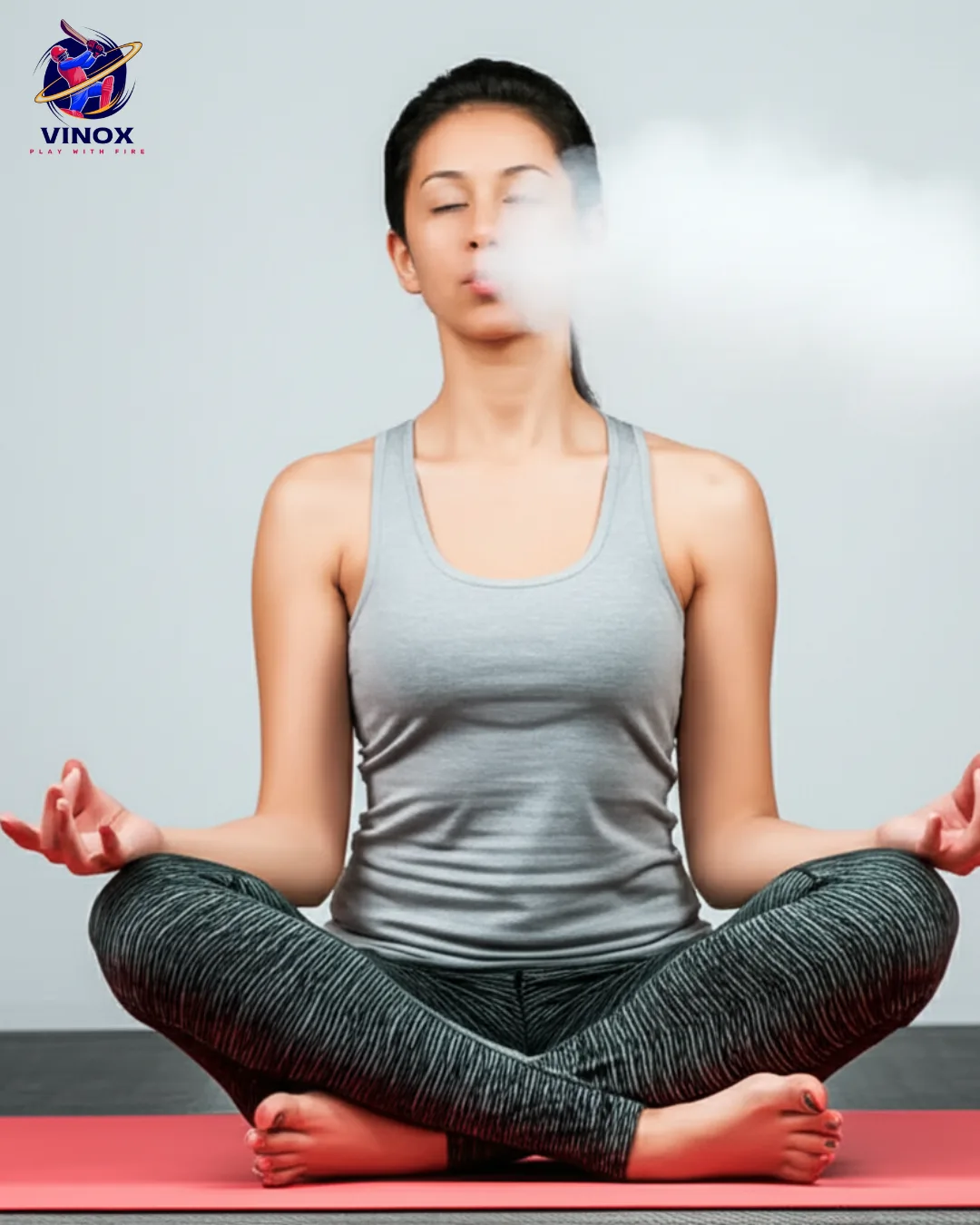
What is Kapalbhati Pranayama?
Kapalbhati Pranayama is one of the most powerful breathing techniques in yoga. The term “Kapalbhati” is derived from Sanskrit, where ‘Kapal’ means forehead and ‘Bhati’ means shining or illuminating. This yogic kriya cleanses the frontal brain and respiratory system, bringing clarity, energy, and peace to the practitioner.
Often referred to as a “detoxifying breath”, Kapalbhati helps eliminate toxins, purify the body, and enhance mental alertness. Practicing it regularly can result in both physical and spiritual transformation. Click here to explore the best yoga mats for your daily practice.
Benefits of Kapalbhati Pranayama
Kapalbhati has numerous scientifically-backed and traditional health benefits, including:
✅ Improves Lung Capacity: Increases oxygen intake and strengthens the respiratory system.
✅ Boosts Digestive System: Stimulates abdominal organs and improves digestion.
✅ Enhances Brain Function: Increases focus, concentration, and mental clarity.
✅ Aids Weight Loss: Helps burn calories by increasing metabolic rate.
✅ Cleanses Sinuses: Effective for those suffering from allergies, asthma, or sinus issues.
✅ Balances Hormones: Regulates thyroid and adrenal glands.
✅ Detoxifies Body: Removes toxins and improves overall immunity.
✅ Reduces Stress & Anxiety: Calms the mind and relieves tension naturally.
✅ Glowing Skin: Improves blood flow, resulting in a natural skin glow.
Changes in the Body After One Month of Kapalbhati
If you practice Kapalbhati regularly for one month, here are the changes you can expect:
Visible reduction in belly fat and bloating
Improved breathing and lung capacity
Increased energy levels and metabolic activity
Sharper focus and improved memory
Reduction in stress, anxiety, and emotional instability
Clearer skin due to better oxygen flow
Enhanced digestion and fewer gut-related problems
These changes may vary by individual, but most practitioners report positive shifts in their physical and mental well-being within 30 days.
How to Do Kapalbhati the Right Way
Practicing Kapalbhati correctly is key to experiencing its benefits. Here’s the step-by-step guide:
Step-by-Step Method:
Sit in a Comfortable Position: Preferably Padmasana (Lotus Pose) or Vajrasana. Keep your spine straight and hands on knees.
Take a Deep Breath In: Slowly and deeply inhale through your nose.
Forceful Exhalation: Contract your abdominal muscles and exhale forcefully through your nose. Inhalation will happen automatically.
One Round: Perform 30–60 such exhalations. This makes one round.
Rest: After one round, breathe normally and relax.
Repeat: Do 2–3 rounds, gradually increasing as you build stamina.
Which Age Group Can Benefit Most?
Kapalbhati can be done by anyone aged 12 to 60 years, with no severe health conditions. It is especially beneficial for:
Adults with sedentary lifestyles
People with respiratory or digestive issues
Women dealing with hormonal imbalance
Seniors facing stress or low energy levels
Note: People with high blood pressure, heart problems, or pregnancy should consult a doctor before practicing.
Best Time to Practice Kapalbhati: Morning or Evening?
The best time to practice Kapalbhati is early in the morning on an empty stomach. Morning air is pure and fresh, maximizing oxygen intake and energizing the body for the day ahead.
However, if mornings are not possible, it can also be done in the evening—at least 3 hours after a meal. Avoid practicing right after eating.
Correct Technique for Maximum Results
To gain full benefits:
Practice daily for 5 to 15 minutes
Maintain proper posture and focus on abdominal movement
Concentrate on your breath and stay mindful
Avoid overdoing it; go slow and steady
Stay hydrated before and after the session



 No products in the cart.