

T20 vs IPL bat Modern cricket has changed significantly with the rise of short-format games. Fast scoring, aggressive batting, and powerful shots are now expected in almost every match. Because of this transformation, the power requirements of cricket bats have also been redesigned. Today, players look for bats that can deliver power, balance, and quick swing speed.
Two formats that are often discussed together are T20 cricket and the Indian Premier League (IPL). Although IPL is a T20 league, the level of competition and batting intensity are usually higher. Therefore, the type of bat power required by players can be slightly different.
In this blog, the differences between T20 and IPL bat power requirements will be explained in easy language so players can understand what type of bat suits modern cricket.
–> Explore premium quality and expertly crafted bats at Vinox Sports to find the perfect match for your playing style and performance needs.
Understanding the Nature of T20 Cricket
T20 cricket was introduced to make the game faster and more exciting. Each team plays only 20 overs, so runs must be scored quickly. Because of this limited time, aggressive batting strategies are usually adopted.
In many matches, boundaries are targeted from the very first over. As a result, bats that can produce quick power are generally preferred.
Modern T20 bats are designed with:
Thick edges for extra hitting power
A wider sweet spot for easier boundary shots
Balanced weight distribution
Faster bat swing
Because of these features, players are able to score runs rapidly. In many cases, a lightweight cricket bat for players is often chosen because it allows quick shot execution and better control.
The Competitive Intensity of IPL
The Indian Premier League has taken T20 cricket to another level. International stars, advanced analytics, and high-pressure matches are involved in the tournament. Because of this environment, batting standards are extremely high.
Players are expected to hit sixes regularly, especially during powerplays and death overs. Therefore, bats are carefully selected to match the intense competition.
Many professional players prefer a power hitting cricket bat that helps them clear long boundaries with ease. At the same time, bat strength and durability are also considered because fast bowlers consistently deliver high-speed deliveries.
Bat Power Requirements in T20 Cricket
The power requirement in general T20 cricket is focused on speed, timing, and versatility. Players often face different bowling styles, including spin and medium pace.
Because of this, bats that offer flexibility are usually preferred. In many local matches, players select a T20 cricket bat India style bat designed for aggressive stroke play and balanced swing.
Some players even use different bats depending on the playing surface. For example, in casual games or practice matches, a cricket bat for tennis ball may be used to practice attacking strokes and improve bat speed.
Bat Power Requirements in IPL
In IPL matches, the pace of the game is significantly higher. Bowlers often deliver balls above 140 km/h, and fielding standards are extremely sharp.
Therefore, bats used in IPL matches are designed to deliver maximum power and impact.
Professional cricketers typically use bats made from premium willow. For instance, many players rely on the best English willow cricket bat under ₹10000 category when selecting a bat for serious competitive play. These bats provide better rebound power and excellent stroke performance.
Because IPL involves the best athletes, a cricket bat for professional players is usually preferred for its strength, power, and superior craftsmanship.
Sweet Spot Importance in Modern Bats
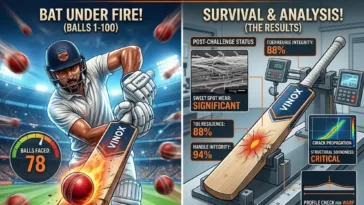
The sweet spot is the most effective hitting area of a cricket bat. Modern bat designs focus heavily on sweet spot placement because it directly affects shot power.
In many T20 bats, the sweet spot is positioned slightly lower. This helps players hit powerful shots on slower pitches.
However, in high-level leagues such as IPL, bats with extended sweet spots are commonly used. This design increases the chances of powerful hits even if the ball does not strike the exact center of the blade.
As a result, bats are capable of generating strong shots even under pressure.
Balance and Bat Speed T20 vs IPL bat
Another important factor in modern bat design is balance. Even the most powerful bat will not perform well if it feels uncomfortable.
A well-balanced bat helps in:
Faster swing speed
Better shot timing
Reduced player fatigue
Because of this, manufacturers carefully engineer bats so that weight is distributed properly across the blade and handle.
In fact, many players prefer a cricket bat for leather ball matches that offers both durability and balanced weight distribution. This type of bat performs well against hard cricket balls while maintaining strong hitting ability.
Bat Selection for Different Skill Levels
Choosing the right bat also depends on the player’s experience level. Beginners often need bats that are comfortable and easy to control.
For example, a cricket bat for beginners is usually designed with moderate weight and a forgiving sweet spot. This helps new players learn proper shot timing without struggling with heavy equipment.
On the other hand, experienced players may explore options from affordable cricket bat brands India, which offer high-quality bats at reasonable prices.
Players who are just starting their cricket journey may also search for the best cricket bat under ₹5000 to practice regularly without making a large investment.
Evolution of Modern Cricket Bats T20 vs IPL bat
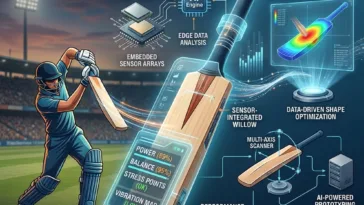
Over the past decade, cricket bat technology has improved significantly. Manufacturers now use advanced shaping techniques and better willow processing.
Some modern improvements include:
Stronger bat edges
Larger sweet spots
Improved weight balance
Better shock absorption
Because of these innovations, bats can now deliver more power while still remaining comfortable to use.
Conclusion
Modern formats like T20 and IPL have completely transformed batting strategies. Faster scoring, aggressive gameplay, and innovative shots require bats that can deliver maximum power, speed, and balance.
While T20 cricket focuses more on quick bat speed and versatile stroke play, IPL matches demand stronger bats capable of producing explosive power under extreme pressure.
Therefore, understanding bat power requirements is essential for every player. When the right bat is selected, performance can improve significantly, and players can adapt better to the fast-paced world of modern cricket.

 No products in the cart.